Sketchnotes at Home: Helping Children Learn Visually

We’re exploring teaching children to learn with sketchnotes at home, turning kitchen tables into studios where ideas dance across pages. You’ll find gentle guidance, realistic routines, and research-backed strategies that spark curiosity, deepen memory, and invite play. Bring crayons, markers, or a pencil stub; bring patience and laughter. Subscribe for weekly prompts, share your child’s proud pages, and watch understanding grow through lines, arrows, icons, and stories.

Why Visual Notetaking Works

Brains Love Pictures

Ask a child to recall yesterday's lesson, and watch recollection bloom when a tiny sun, bold title, and timeline map appear. Images guide the eye, chunk meaning, and invite retellings, letting quieter learners participate fully while restless hands stay busy capturing essential ideas.

Memory Anchors and Simplicity

Simple shapes become hooks: boxes hold key facts, arrows show cause and effect, and icons freeze vivid moments. By limiting colors and lines, children spotlight importance without overwhelm. During reviews, each sketch acts like a door back into understanding, quickly reopening context, vocabulary, and steps.

Confidence for Reluctant Writers

When writing feels intimidating, drawing a quick character, label, or frame lowers the barrier. Children can jot fewer words while still capturing meaning, then expand orally. Pride arrives as pages fill with personal symbols, reminding them that progress counts more than polished penmanship.

Getting Started: Simple Tools and Space
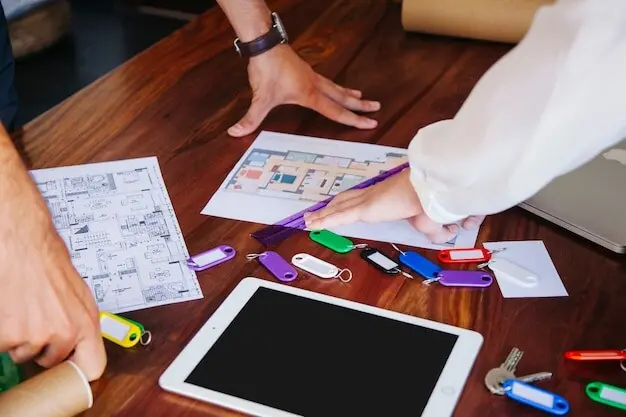
Beginning at home should feel playful, not perfect. A recycled notebook, a few markers, and comfortable lighting beat fancy gear. Choose a small basket for supplies, and place it within reach. Establish a calm start cue, like music or tea, signaling shared attention and welcoming creativity without pressure.

Teaching Step by Step

Instead of drawing perfectly, focus on thinking visibly. Introduce three building blocks: icons, connectors, and containers, then practice with tiny, cheerful challenges. Model your own page, narrate decisions, and invite revisions. With repetition, fluency grows, note pages accelerate, and understanding deepens naturally through spaced, low-stakes practice.

Icons, Connectors, Containers

Teach quick icons for nouns and actions, connectors like arrows and lines for relationships, and containers: boxes, banners, circles, for grouping. These three elements cover almost any lesson. Keep strokes simple, repeat shapes often, and gradually add shading, borders, and color coding as confidence rises.

Chunk Any Lesson

Break content into bite-sized scenes: beginning, middle, end; problem, path, solution; question, evidence, conclusion. Ask children to pause after each scene and capture a symbol, number, and four to five words. This structure tames overwhelm, encourages summarizing, and maintains momentum during challenging readings.

Making Subjects Come Alive

Reading and Story Structure
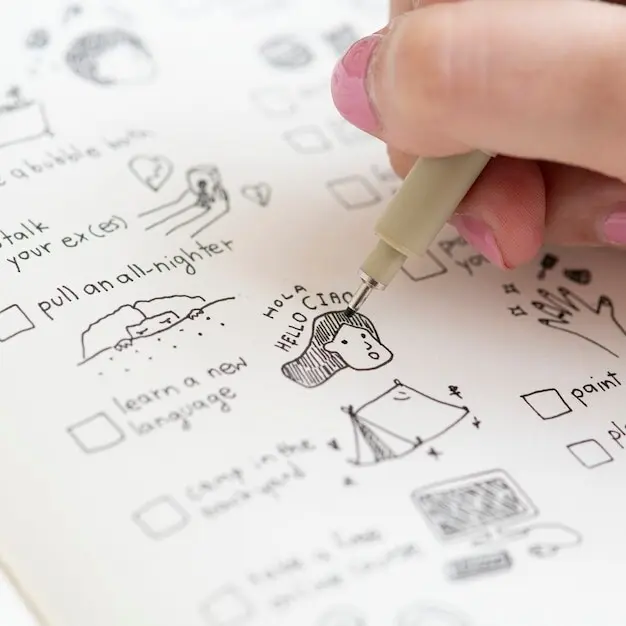
Invite children to capture setting, characters, rising action, climax, and resolution with simple icons and arrows. Dialogue bubbles preserve voice, while tiny emotion faces track motivation. When retelling, they follow their page like a trail map, recalling details confidently without rereading entire chapters.

Science Observations

Record materials, steps, and results using numbered boxes, magnifying-glass icons, and cause-effect arrows. Encourage sketches of changes over time, like sprout growth or melting ice. Label with short descriptors, then circle patterns noticed. Visual labs prompt curiosity, fuel precise vocabulary, and inspire new questions for tomorrow’s exploration.

Math Problem Paths

Let problems unfold as journeys: starting point, decision fork, calculation bridge, and checkmark finish. Children sketch each step with a symbol and brief note, preventing skipped reasoning. Errors appear clearly, turning mistakes into helpful feedback. Confidence rises as processes become visible, repeatable, and less mysterious.

Motivation and Mindset

Home learning flourishes when pressure fades. Replace perfect pages with progress marks, celebrate small risks, and welcome playful experimentation. Share your own imperfect sketch to normalize wobbliness. Over time, children notice understanding growing faster than neatness, an empowering shift that sustains effort through tougher units and transitions.

Perfection-Free Pages

Set a friendly rule: no erasing until the end. Cross out softly, add arrows, and keep moving. This momentum mindset builds resilience, quiets negative self-talk, and frees attention for comprehension. Later, reflect on changes made, honoring persistence and the story behind each thoughtful correction.

Celebrate Progress

End sessions by circling one risk taken, one clear idea, and one question for next time. Snap a photo for a growing gallery. Visible progress motivates better than rewards, inviting children to notice habits forming as their pages become bolder, tidier, and more meaningfully connected.

Assessment, Organization, and Sharing
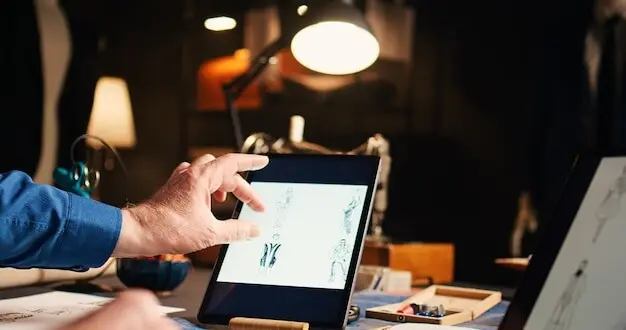
Sketchnotes serve as living study guides. Build lightweight routines for checking understanding, filing pages, and revisiting concepts before quizzes. Portfolios reveal growth, not just grades, while teach-backs and digital sharing invite feedback from friends and grandparents, turning home learning into a supportive, connected, celebratory endeavor.
Kiravirolivokentonarifari
Privacy Overview

This website uses cookies so that we can provide you with the best user experience possible. Cookie information is stored in your browser and performs functions such as recognising you when you return to our website and helping our team to understand which sections of the website you find most interesting and useful.